
Charging and Running Cost Guide for Geely EX5 and EX2 Owners
Everything Geely EX5 and EX2 owners should know, from installing a home charger and calculating electricity costs to using DC Fast Charge and warranty terms

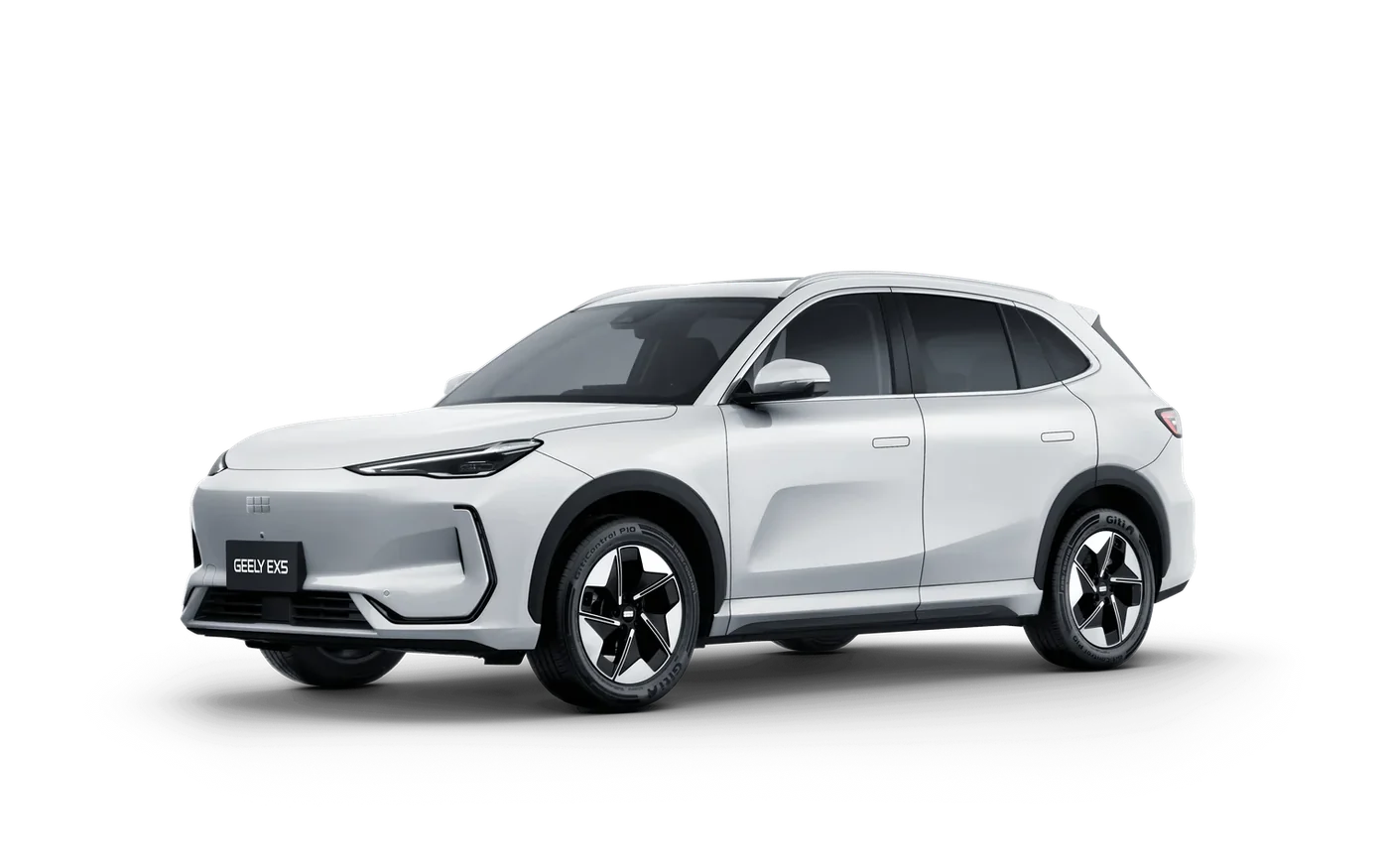
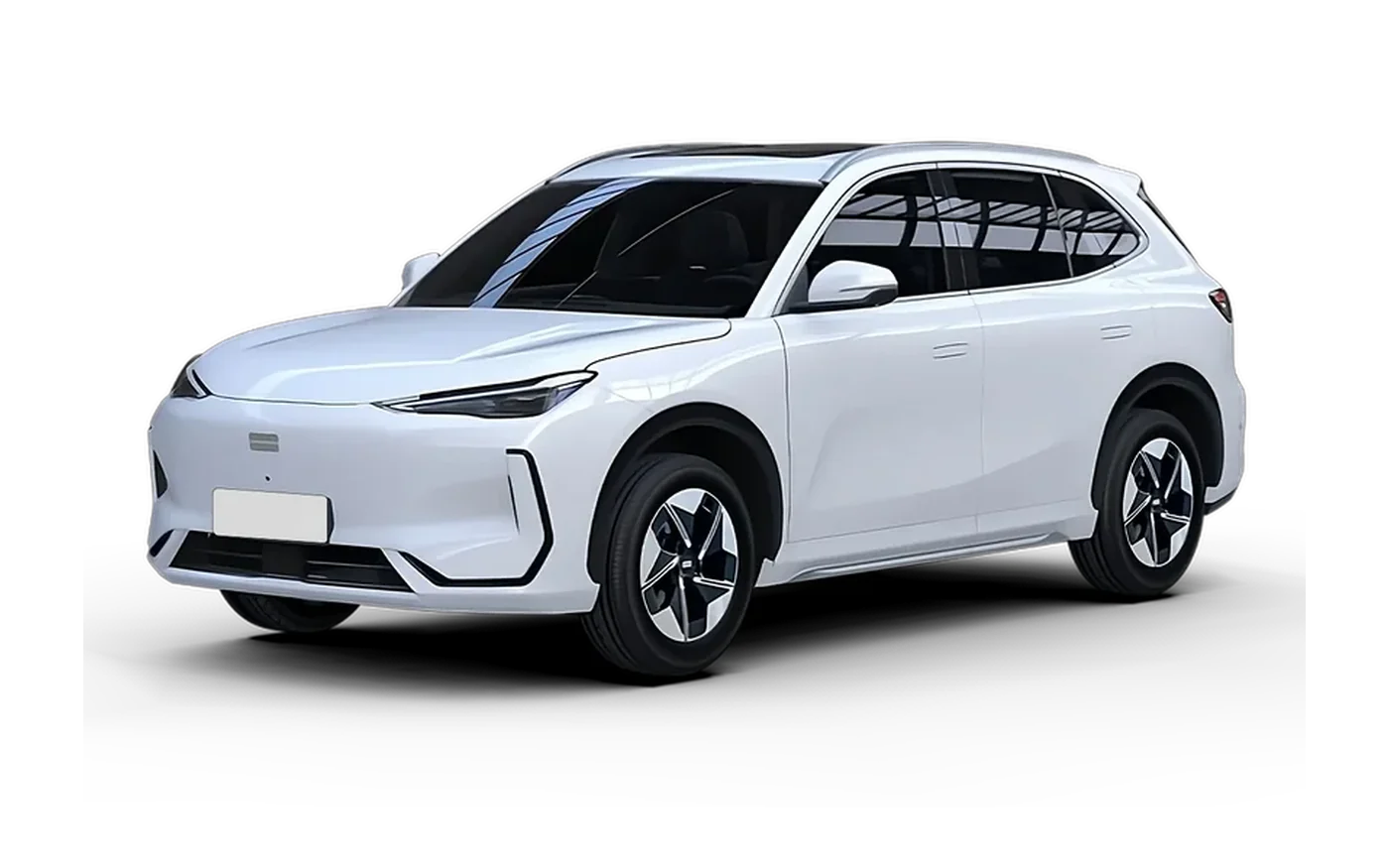
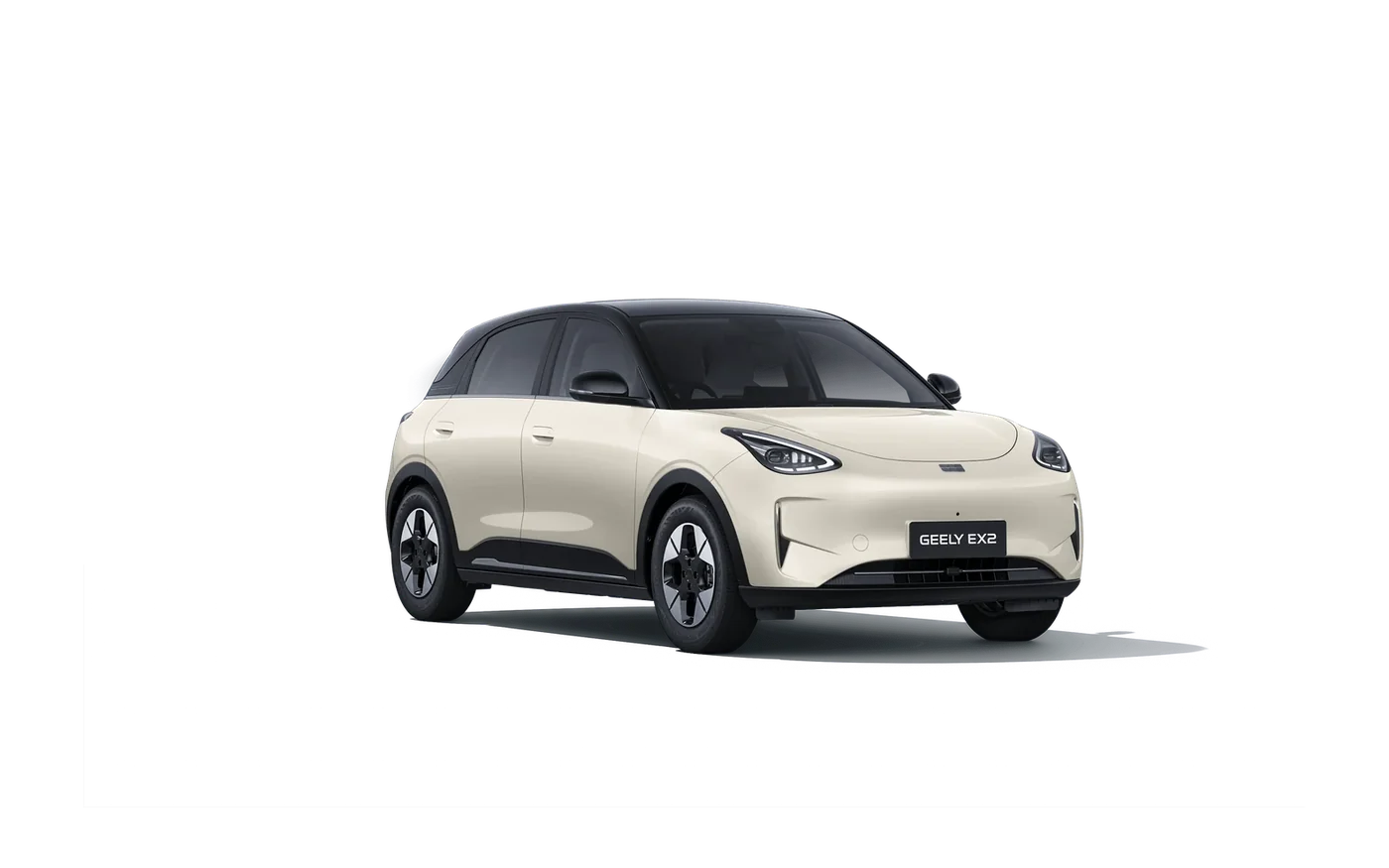
Switching to an EV isn't as complicated as many people think, but planning your charging from day one will make ownership as smooth and cost-effective as possible. This guide brings together key information for owners of the Geely EX5 and Geely EX2 , covering charging, cost calculation and maintenance.
Know your car's charging capabilities
- Geely EX2: 39.4 kWh battery, supports AC at up to 6.6 kW and DC Fast Charge at around 70 kW, charging from 30% to 80% in around 25 minutes
- Geely EX5 PRO / MAX: 60.22 kWh battery, supports AC at up to 11 kW and DC at around 100 kW, charging 30–80% in around 20 minutes
- Geely EX5 MAX+: 68.39 kWh battery
Both models use the standard Type 2 connector for AC and CCS2 for DC, the same standards used by most public charging stations in Thailand
Home charging: the most cost-effective option
Most EV owners charge mainly at home overnight. Before installing a wall charger, check whether your electricity meter and main cable can support the extra load. Many homes may need to request a meter upgrade from the Provincial Electricity Authority, which can take some time, so it's best to start this process on the day you book your car. During some campaigns, dealers have provided a portable charger or a wall charger with installation, so ask for details before deciding.
A simple way to calculate electricity costs
The basic formula is the battery energy charged (kWh) multiplied by the electricity rate per unit, plus around 10% for charging losses. For example, charging the EX2 from 20% to 100% uses about 31–32 kWh. Assuming an average rate of 4 baht per unit, the cost is around 140 baht for several hundred kilometers of driving. Actual costs depend on each household's rate; with a TOU meter and overnight charging, costs are even lower.
At public DC charging stations, the cost per unit is higher than charging at home, so they are better suited to long trips or urgent needs than to regular use
Everyday tips
- Schedule charging via the vehicle screen or app to match off-peak electricity hours
- Plan long trips by checking charging stations along your route in advance, such as Ayutthaya–Nakhon Sawan or Ayutthaya–Korat
- Use pre-conditioning while plugged in to reduce battery energy use on hot days
- Check tire pressure regularly, as it directly affects driving range
Warranty and maintenance
Under the distributor's announced terms, the Geely EX2 comes with a 6-year or 150,000 km vehicle warranty and an 8-year or 150,000 km high-voltage battery warranty, while the EX5 has a 6-year or 160,000 km vehicle warranty and an 8-year or 180,000 km battery warranty, plus 24-hour roadside assistance for 5 years. EVs have fewer moving parts than combustion cars and need no engine oil changes, so scheduled maintenance costs are usually lower, but you should still attend scheduled check-ups to maintain your warranty and receive software updates.
The Motor Creation team is here for Geely owners, from advice on installing a home charger and maintenance planning to after-sales service. If you are considering the Geely EX5 or EX2, contact us to book a test drive and get advice tailored to your needs.
Sources: ZigWheels Thailand, Motor Expo, 9carthai · Compiled by the Motor Creation team
Online channels
Choose a platform, then the channel you'd like to follow