
Deepal's REEV and Battery Technology, Explained Simply
An explanation of Changan's REEV range-extender system, BlueCore powertrain, LFP batteries, 3C charging and solid-state battery plans, and what they mean for drivers in Thailand
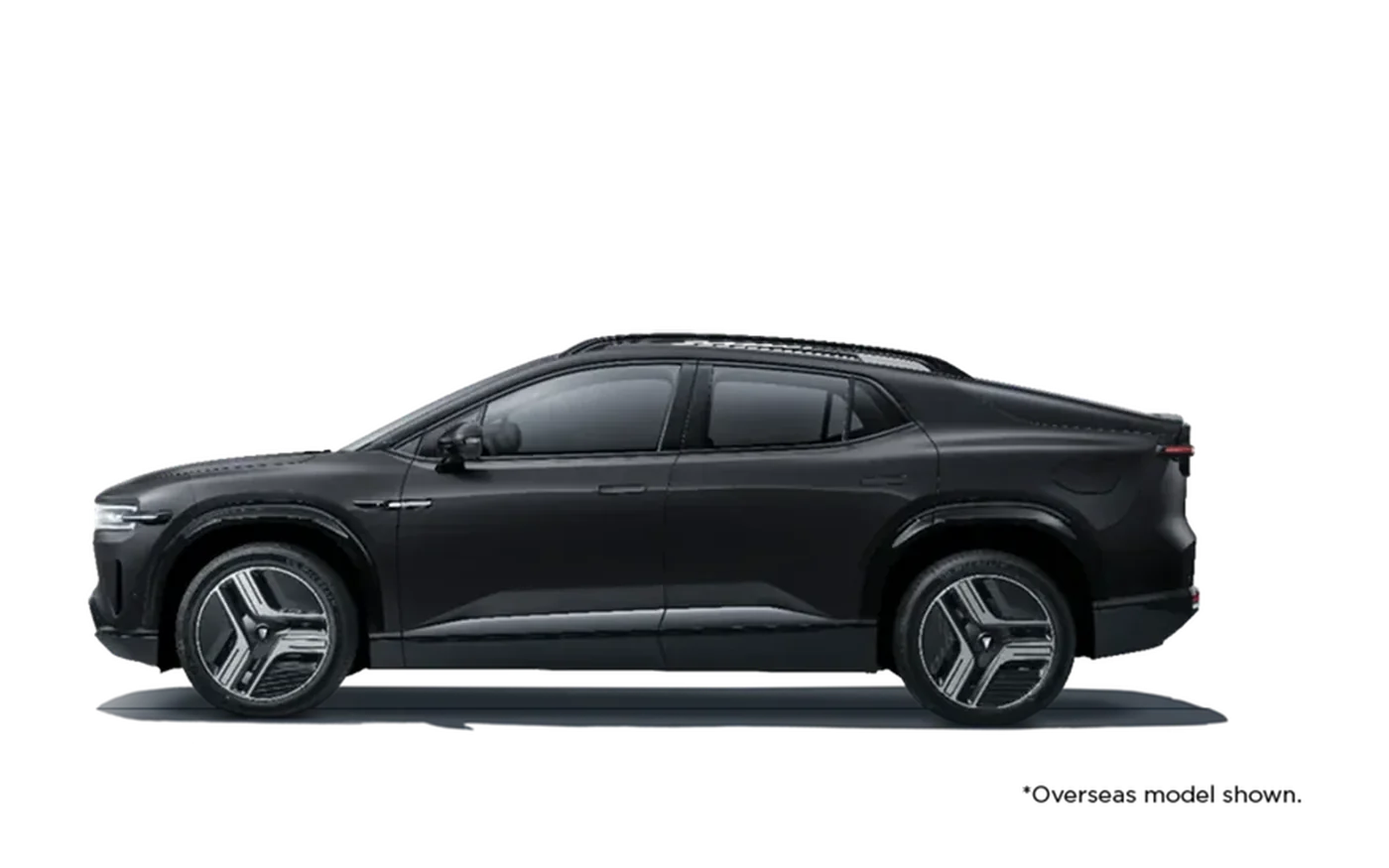
When it comes to EVs, many people are still confused by the terms BEV, PHEV and REEV, especially as Deepal offers models across several technologies. This article explains how the range-extender system works, the batteries used and the future direction of Changan's technology, so buyers can understand how these affect real-world use.
How Does REEV Differ from a Conventional Hybrid?
A REEV, or Range Extended Electric Vehicle, is a car whose wheels are always driven by an electric motor The engine's only job is to generate electricity to recharge the battery or power the motor; it never drives the wheels directly. The result is a driving feel just like a fully electric car, with silence and instant acceleration, yet you can refuel to keep going when the battery runs low.
By contrast, hybrids and some plug-in hybrid systems use the engine to drive the wheels alongside the motor, which is highly efficient in certain conditions but feels different to drive. The Deepal S05 REEV sold in Thailand uses a 1.5-liter petrol engine as a generator, with a manufacturer-stated all-electric range of around 170 km (NEDC) and a combined range of more than 1,000 km.
BlueCore: Multiple Powertrains on One Foundation
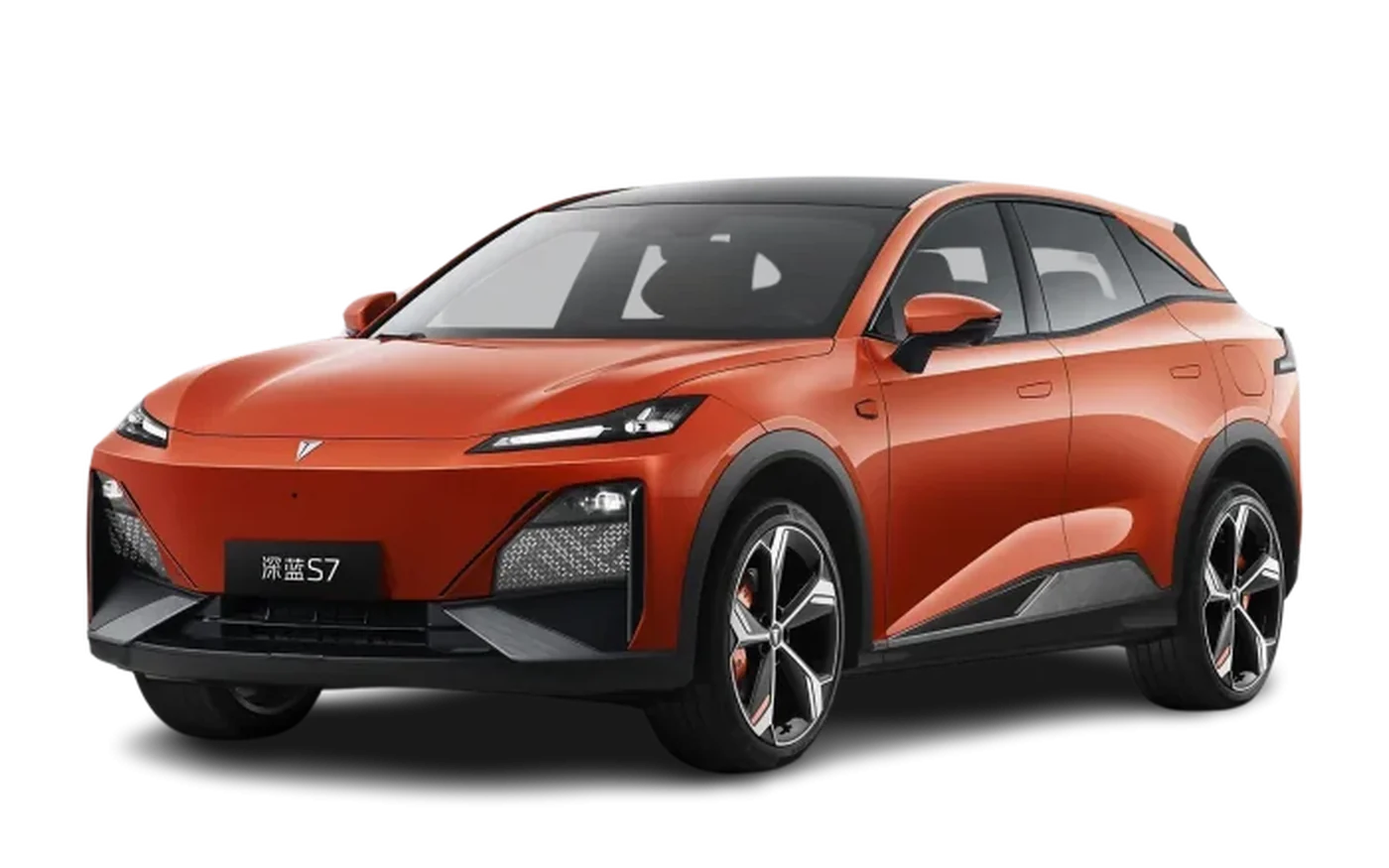
Changan has developed a powertrain family called BlueCore covering hybrid, plug-in hybrid and range-extended systems. This approach lets the brand offer the same model with different powertrains to suit each market: in Europe, for example, the Deepal S05 and S07 come in plug-in hybrid versions, while Thailand gets both fully electric and REEV versions.
LFP Batteries and 3C Charging
Deepal's main models sold in Thailand use lithium iron phosphate (LFP) batteries, which are known for their long life and thermal stability and contain no cobalt. As for the term 3C , it refers to the ability to accept a charging current of roughly three times the battery's capacity per hour. In practice, this means charging from 30% to 80% in around 15 minutes at a sufficiently powerful charging station. For example, the 2026 Deepal New S07 supports DC charging of up to 163 kW.
- Actual charging speed depends on the charger's power, the temperature and the starting battery level
- Charging naturally slows above 80% to protect the battery
- For everyday use, AC charging at home remains the most cost-effective and battery-friendly option
Looking Ahead: Golden Shield and Golden Bell
Changan continues to develop new batteries. The Golden Shield battery, which the company says retains more than 90% of its energy at -10°C, was presented at the 2026 Paris Motor Show, while the Golden Bell battery brand covers liquid, semi-solid and solid-state cells. Changan has announced plans to test solid-state cells in real vehicles from the third quarter of 2026, with mass production targeted for 2027. Solid-state performance figures are still manufacturer data awaiting confirmation from real-world use.
For buyers today, proven technologies such as LFP and 3C are well suited to driving in Thailand. If you'd like advice on which powertrain suits your routes, come and talk to us and take a test drive at Motor Creation. Our team is happy to advise on trims, financing packages, home charger installation and full after-sales service.
Sources: electrive
Sources: electrive, Global CHANGAN Newsroom · Compiled by the Motor Creation team
Online channels
Choose a platform, then the channel you'd like to follow