
Thailand's EV Market Keeps Growing in H1 2026: What Buyers Should Know
An overview of Thailand's EV market in the first half of 2026, based on data from the Department of Land Transport and PwC, with insights for those deciding on an EV
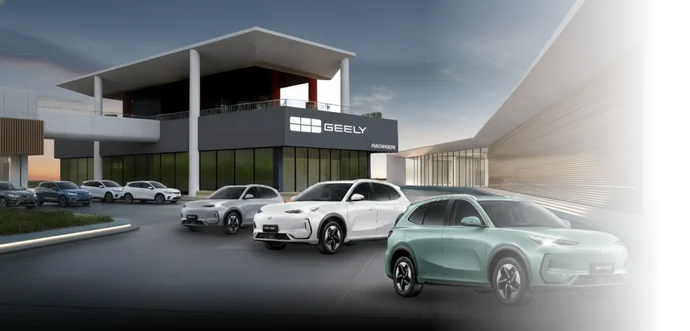
2026 has been another year of clear expansion for Thailand's EV market, in terms of registrations, share of the overall market and the number of models available to consumers. Data from several sources published between mid-year and the end of the third quarter all point the same way: EVs are shifting from a niche alternative to a mainstream choice for many Thai families. This article brings together the key figures and what buyers should consider when making their decision.
First-Half Registrations Close to the Full-Year 2025 Total
According to Department of Land Transport data cited by The Nation, new registrations of electric passenger cars with up to seven seats totaled more than 103,000 from January to June 2026, almost equal to the full-year total for 2025, which passed 120,000 for the first time. Meanwhile, the cumulative number of EVs on Thai roads has exceeded 487,000. Industry observers estimate that full-year 2026 registrations could reach around 200,000.
Meanwhile, ttb analytics, the economic analysis center that provided data to Thai PBS in June, reported that battery electric vehicle (BEV) registrations in the first five months of the year reached around 84,000 units, nearly double the previous year, with as many as 23 provinces seeing registrations more than double, showing that growth is no longer concentrated only in Bangkok and its surrounding provinces.
Thailand Remains ASEAN's Leading Electrified Vehicle Market
PwC's ASEAN-6 automotive market snapshot, published in late September 2026, states that Thailand's combined sales of all electrified vehicles (xEV, including both BEVs and hybrids) totaled around 206,000 units in the first half of the year, up around 47% year on year, ahead of Vietnam and Indonesia.
- The share of electrified vehicles in the Thai market rose from 32% in H1 2024 to 53% in H1 2026
- Sales of fully battery electric vehicles grew by around 84% year on year
- Thailand's overall car market grew by around 15%
- Chinese carmakers' share of ASEAN-6 rose to around 16%
Factors Driving the Growth
ttb analytics points out that higher domestic fuel prices resulting from conflict in the Middle East are a key factor driving consumers to consider EVs, together with more accessible vehicle prices thanks to government support measures and price competition between brands. In addition, the local production offset requirements under the EV 3.5 scheme have pushed many manufacturers to ramp up domestic production, which benefits the long-term availability of parts and after-sales service.
A Perspective for Buyers
A fast-growing market brings a wide range of choices and price competition, so buyers should look beyond the sticker price, considering the strength of the service network, battery warranty terms, the availability of charging both at home and on the road, and the value of the car over its lifetime. Another point to watch is the new excise tax structure, which PwC expects will prompt manufacturers in the market to adapt.
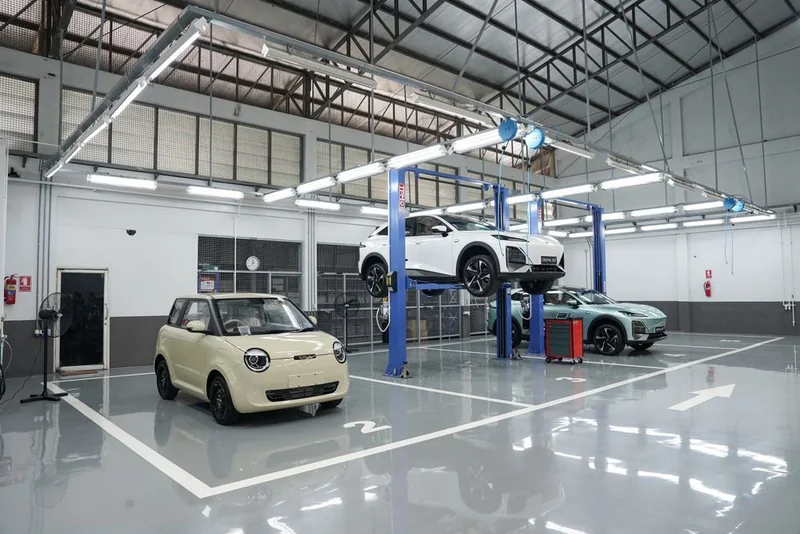
For drivers in the upper Central region, choosing a dealer with both a showroom and a service center near home makes owning an EV even smoother.
If you are considering a new EV, the Motor Creation team is ready to give impartial advice, from choosing the right model for your needs and planning your charging to after-sales service. You are also welcome to test drive EVs from Deepal, Geely, Riddara and Farizon at our showrooms in the Ayutthaya area.
Sources: ThaiPR.NET (PwC Thailand), The Nation, Thai PBS · Compiled by the Motor Creation team

Online channels
Choose a platform, then the channel you'd like to follow